What AI-Powered Cooking Will Look Like in the Next Decade
Kitchen Essentials - 19, January, 2026 -

Artificial intelligence is quietly stepping into home kitchens, and over the next ten years, it will change how people cook, shop, and choose the right tools for their diets and budgets. While today’s smart ovens and recipe apps can recommend meals and adjust temperatures, tomorrow’s AI-driven kitchens will predict cravings, minimize waste, automate planning, and personalize nutrition in ways that feel futuristic but also practical. For consumers, this future of cooking technology goes beyond convenience: it will improve health, reduce stress, and help families save money on food, kitchen gadgets, and groceries through smarter shopping.
Below, we explore what AI-powered cooking might look like across five core domains: automation, meal planning, predictive tools, nutrition, and kitchen ecosystems. Each section also includes real guidance, tips, and smart shopping strategies so readers can make better choices and avoid expensive mistakes.
1. The Rise of Smart Kitchen Automation

The next decade will redefine how appliances interact with users and with each other. Smart kitchen automation already exists in basic forms through voice assistants and connected appliances, but upcoming systems will make kitchens almost self-operating. Instead of scrolling for recipes or guessing temperature settings, users will rely on intelligent kitchen assistants that manage everything from prep reminders to cooking timelines.
These ecosystems will use machine learning to understand household patterns. If a family typically cooks dinner around 7 PM, the system may preheat the oven, remind users about missing ingredients, or suggest healthy alternatives to reduce impulse takeouts. Whether someone lives alone or runs a busy household, AI will help reduce the time wasted in planning and execution. For consumers trying to shop wisely, understanding this trend early allows them to choose compatible devices that save money long-term instead of buying random standalone gadgets that quickly become outdated.
Key Advantages of Smart Automation
-
Automated grocery detection and re-ordering through pantry and fridge sensors
-
Oven and stovetop control with precision cooking to avoid burnt or undercooked food
-
Real-time voice guidance from intelligent kitchen assistants during prep and cooking
-
Integration of connected kitchen devices for shared recipe timing and heating cycles
-
Reduced food waste through smart expiry tracking and meal suggestion systems
Smart kitchen automation will not completely replace the joy of cooking; instead, it will simplify routine tasks and allow home cooks to focus on creativity, flavor, and presentation. As automation expands, users should look for compatibility among appliances so their future kitchen remains unified rather than a mix of disconnected gadgets. For anyone shopping for new appliances, choosing brands that support future software updates is essential for long-term value and performance.
2. AI Meal Planning Will Become Mainstream
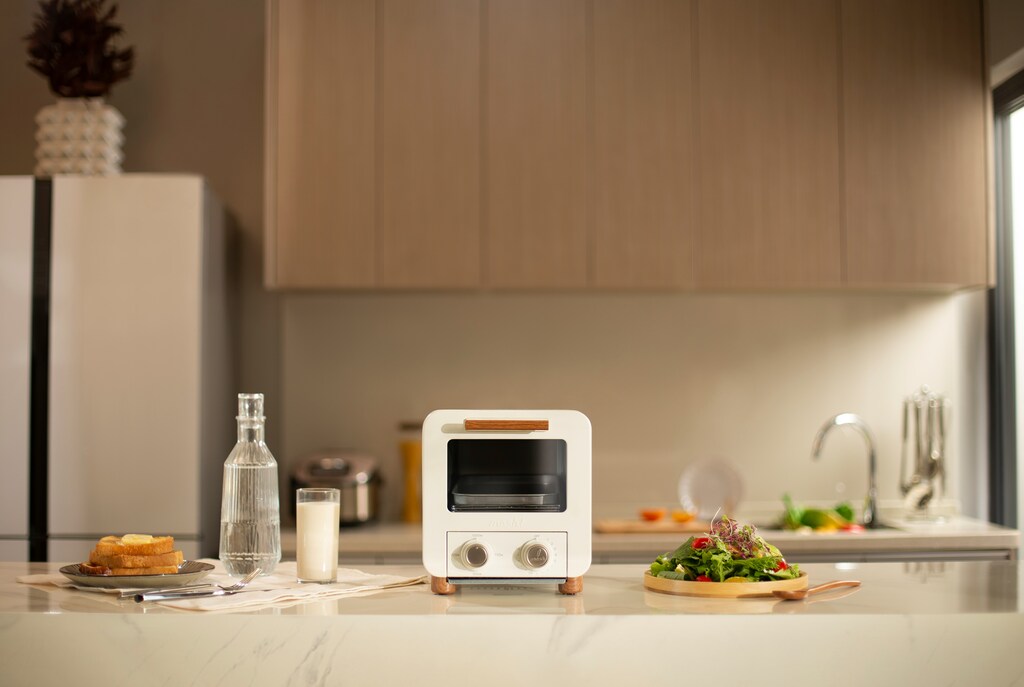
If automation handles execution, AI meal planning addresses the mind-numbing question: what do we eat today? Planning meals across a week is hard because it requires nutritional balance, budget control, preference management, and ingredient tracking. Over the next decade, AI will handle these variables automatically with personalized plans that adapt to dietary needs and household schedules.
Imagine an app analyzing your fridge, your past eating habits, cooking times, nutritional deficiencies, and seasonal produce prices—then generating a balanced weekly plan that fits your lifestyle and saves money. Families will use these systems to avoid overspending at supermarkets, reduce ordering expensive takeout, and buy only what they actually need. For busy professionals, AI meal planning will reduce mental load and make healthier eating more realistic without hiring a nutritionist or personal chef.
Benefits of AI-Driven Meal Planning
-
Customized weekly menus based on user preferences and time schedules
-
Linked shopping lists that reduce impulse purchases and overspending
-
Smart substitutions for allergies, intolerances, or missing ingredients
-
Seasonal ingredient suggestions for healthier and cheaper cooking
-
Integration with grocery delivery platforms for smooth replenishment
AI meal planning makes cooking feel less stressful and more intentional. For shoppers, it also supports better budgeting because automated lists prevent unnecessary spending on snacks or duplicate pantry items. In the long term, families who leverage smart meal planning tools typically experience better portion control, healthier habits, and more savings simply by sticking to structured plans. As these platforms improve, expect them to integrate fitness tracking and medical data to create diets optimized for sleep, energy, and even athletic performance.
3. Predictive Cooking Tools Will Guide Every Step

Predictive systems are already common in entertainment and shopping—where apps recommend movies or products—but predictive cooking tools will shape the next decade of home food culture. Instead of asking users what they want to cook, these tools will anticipate cravings, recommend recipes based on mood, and suggest dishes based on leftover ingredients. This shift is powered by data insights, including time of day, weather, nutrient intake, and past behavior.
For example, during colder months, the system may recommend soups or stews; during summer, lighter salads or chilled drinks. When grocery prices fluctuate, predictive systems may suggest recipes that avoid costly ingredients or highlight discounted seasonal produce. All of this falls into the broader movement of smart kitchen automation, marrying AI with perception and context, making cooking smarter and more cost-effective.
What Predictive Cooking Will Bring
-
Automated recipe suggestions that use ingredients about to expire
-
Cost-aware recipe planning based on grocery price changes
-
Timing adjustments that sync multiple dishes to finish together
-
Food allergy warnings or substitution suggestions in real time
-
Adaptive flavor recommendations based on past ratings and preferences
Predictive cooking tools eliminate guesswork while encouraging experimentation. Home cooks often waste money buying exotic ingredients for a single recipe, but predictive systems will highlight versatile options that serve multiple meals. The result is healthier, cheaper, and more sustainable cooking without sacrificing taste. For anyone trying to shop smarter, understanding predictive technology helps in choosing apps, appliances, and digital services that not only make cooking easier but also more financially sensible.
4. Personalized Nutrition With AI Will Go Deeper

Beyond convenience and automation, one of the most powerful roles of AI in cooking is personalized nutrition. Diets are highly individual—affected by metabolism, age, fitness levels, allergies, and health conditions. Traditional dietary advice often feels generic, but AI promises customization at a biological and behavioral level. In the coming decade, personalized nutrition with AI will merge food science with home cooking, offering precise dietary recommendations.
Imagine a system that knows your micronutrient deficiencies through wearable sensors, tracks your intake automatically, and suggests meals that address those gaps without compromising on taste or budget. This evolution benefits people struggling with weight management, lifestyle diseases, or performance goals. It also helps families build healthier habits without relying solely on expensive dieticians or personal trainers.
AI Nutrition Will Enable
-
Ingredient-level nutrient analysis for every meal cooked at home
-
Dietary adjustments for energy, immunity, sleep quality, and fitness
-
Flavor suggestions aligned with cultural and personal preferences
-
Grocery recommendations that balance cost, health, and versatility
-
Monitoring of hydration and nutrient intake through wearables
Personalized nutrition will not replace medical professionals, but it will supplement care with daily guidance and habit tracking. From a consumer standpoint, this shift helps prevent wasteful spending on supplements, unnecessary diet programs, and one-time meal kits. Instead, users can focus on buying staple ingredients and kitchen devices that support long-term nutritional consistency. That means spending less on hype and more on what actually improves health.
5. The Connected Kitchen Ecosystem Will Unify Everything
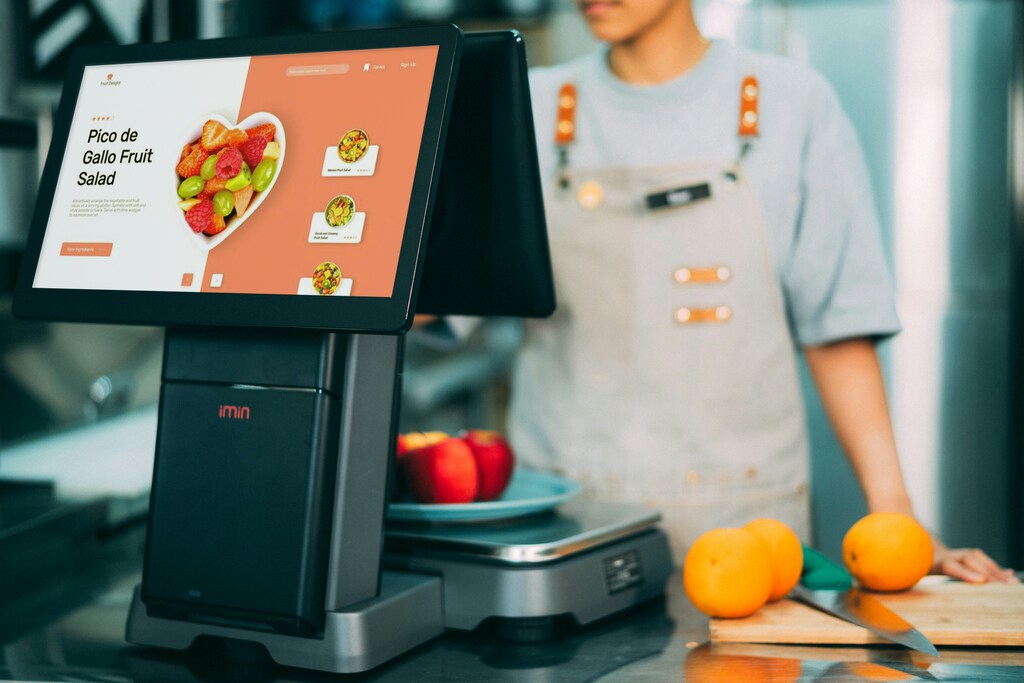
Right now, smart appliances operate independently: fridges track inventory, ovens adjust temperatures, and speakers handle voice commands. The next decade will unify these tools into a connected ecosystem where appliances communicate instantly. The system will know what food you have, what recipes are possible, and how long meals will take. It will also sync grocery lists and implement automated recipe suggestions to improve planning and execution.
This ecosystem will resemble a home chef with a logistics manager and nutrition coach combined. The fridge might alert the cooktop about available proteins; the cooktop might tell the oven how to finish a dish; the dishwasher might adjust cycles based on cookware used. Such connected kitchen devices transform cooking from isolated tasks into coordinated workflows, making home cooking quicker, cheaper, and healthier.
Features of a Connected Kitchen Ecosystem
-
Fridge tracking inventory and expiry dates in real time
-
Automated recipe suggestions based on available ingredients
-
Synchronization between appliances for seamless cooking
-
Integration with grocery providers for scheduled replenishment
-
Multi-user profiles for customized household recommendations
This online shop offers a wide range of digital thermometers and hygrometers designed to take the guesswork out of cooking and home climate monitoring, from wireless meat thermometers to indoor–outdoor sensors. The products help deliver precise temperature control for grilling, smoking, baking, and more, making your meals consistently better and safer. You can also find ThermoPro Coupon Codes to save on accurate tools that make smart cooking simple and enjoyable.
Take control of your cooking and get perfect results every time — shop now for accurate temperature tools that make home cooking easier!
Why AI Shopping Assistants Sometimes Fail at Kitchen Deals
Although AI tools are improving, many shopping assistants struggle with kitchen deals, appliance offers, and grocery discounts. They often recommend products based on general popularity rather than personalized budgets, real nutritional needs, or long-term value. Many tools also miss stackable deals, cashback opportunities, or exclusive discount channels that exist outside mainstream stores.
Another challenge is that kitchen products vary widely in lifespan and compatibility. A cheap device might fail within months, while a slightly pricier option could last years. Smart shoppers should never rely on surface-level pricing alone; instead, they should compare warranty length, software update policies, and replaceable part availability. Doing so prevents the common mistake of overspending on kitchen tools that do not stand the test of time.
The Hidden Game of Upgrade Cycles in Smart Kitchens
Modern kitchen gadgets increasingly rely on software. While this unlocks amazing features, it also introduces upgrade cycles similar to smartphones. Over the next decade, consumers will notice more subscription features, paid recipe libraries, and premium automation modules. Smart shoppers should be aware that initial appliance prices do not always reveal total cost over time.
Before investing in smart ovens, AI-powered blenders, or connected fridges, users should ask critical questions: How long will updates be supported? Is the device compatible with other brands? Are subscription features optional or required? Asking these questions early saves significant money and reduces regret later. For long-term value, it is often better to buy fewer devices with reliable support instead of chasing novelty.
The Reality Behind Asking for Recipe App Discounts
In the world of cooking apps and smart kitchen services, discounts operate differently from traditional retail. Some recipe platforms offer seasonal sales, year-end deals, or referral bonuses. Others run exclusive partner promotions that are not publicly advertised. Users who rely only on built-in app deals may miss hidden savings.
In many cases, it pays to check coupon platforms, influencer pages, or newsletter sign-ups rather than waiting for random in-app promotions. Smart kitchen consumers who know where to look often secure better prices on subscriptions, gadgets, and ingredient delivery services. And because AI-driven kitchen tools are still emerging, early adoption deals tend to be generous for those paying attention.
What makes Getmecodes.com different from other coupon sites?
Unlike generic coupon platforms that list expired or irrelevant codes, GetMeCodes.com
focuses on validated discounts and real savings opportunities. For users shopping for smart kitchen tools, cooking gadgets, or subscription-based recipe services, this matters because pricing changes quickly in emerging tech markets. By highlighting legitimate deals instead of cluttering pages with non-working codes, GetMeCodes allows consumers to shop efficiently, avoid wasted time, and capture meaningful value instead of chasing expired offers.
Conclusion
AI-powered cooking will not turn kitchens into soulless automation factories. Instead, it will elevate convenience, reduce stress, and make healthy cooking more accessible for everyday households. Over the next decade, smart kitchen automation, AI meal planning, predictive cooking tools, personalized nutrition systems, and connected kitchen ecosystems will blend into a unified experience. For consumers, the real opportunity lies in making wise choices—purchasing compatible devices, seeking long-term value, using predictive tools to reduce waste, and finding deals that stretch household budgets.
Just as fashion enthusiasts learn to shop smart and invest in pieces that last, home cooks must adopt similar strategies when purchasing appliances and subscriptions. By staying informed and value-driven, users can enjoy futuristic kitchens without overspending and build healthier habits that suit their lifestyles.
FAQs
1. How will AI change grocery shopping habits in the future?
AI will reduce impulsive shopping by linking meal plans, expiry data, and recipe suggestions. Instead of buying random items, users will follow structured lists generated by nutrition goals, budgets, and household inventory. Over time, this leads to less waste, healthier eating, and smarter spending. Grocery delivery platforms will integrate heavily with meal planning tools, making shopping almost fully automated.
2. Will AI-powered cooking remove creativity from home kitchens?
Not at all. AI will handle tedious tasks such as timing, planning, and ingredient substitution. The creative aspects—seasoning, plating, tasting, and experimenting—remain in human control. Most cooks will find that AI gives them more freedom to explore flavors because it reduces stress and guesswork around logistics. This makes cooking more enjoyable rather than more mechanical.
3. Are AI cooking devices expensive and worth the investment?
Some devices carry a higher initial cost due to sensors, connectivity, and software, but the long-term value can be excellent. Smart ovens prevent ruined meals, nutrition platforms reduce supplement spending, and predictive grocery tools minimize waste. Instead of treating these devices like luxury gadgets, consider them tools for health, time savings, and budgeting.
4. How will predictive cooking tools impact sustainability?
Predictive systems reduce food waste by analyzing expiry dates, recommending recipes, and encouraging the use of leftovers. They also highlight seasonal produce and less expensive alternatives, which help both the planet and the wallet. As sustainability becomes a stronger priority, more apps will integrate eco-friendly scoring to guide consumer choices.
5. Do I need a full smart kitchen to benefit from AI cooking tools?
No. Users can begin with a single app or device and expand as needed. For example, starting with an AI meal planning app or a smart scale already improves nutrition accuracy and shopping habits. Over time, those who see value may add connected appliances or predictive platforms. The key is to invest based on personal needs, not hype, so the technology becomes genuinely helpful rather than unused.
Kitchen Essentials Discount Stores

























 Sign Up & Get $5 Instantly!