How to Choose the Best Leather Type for Patina-Rich Accessories
Fashion Accoutrements - 04, September, 2025 - Khadija Hanif
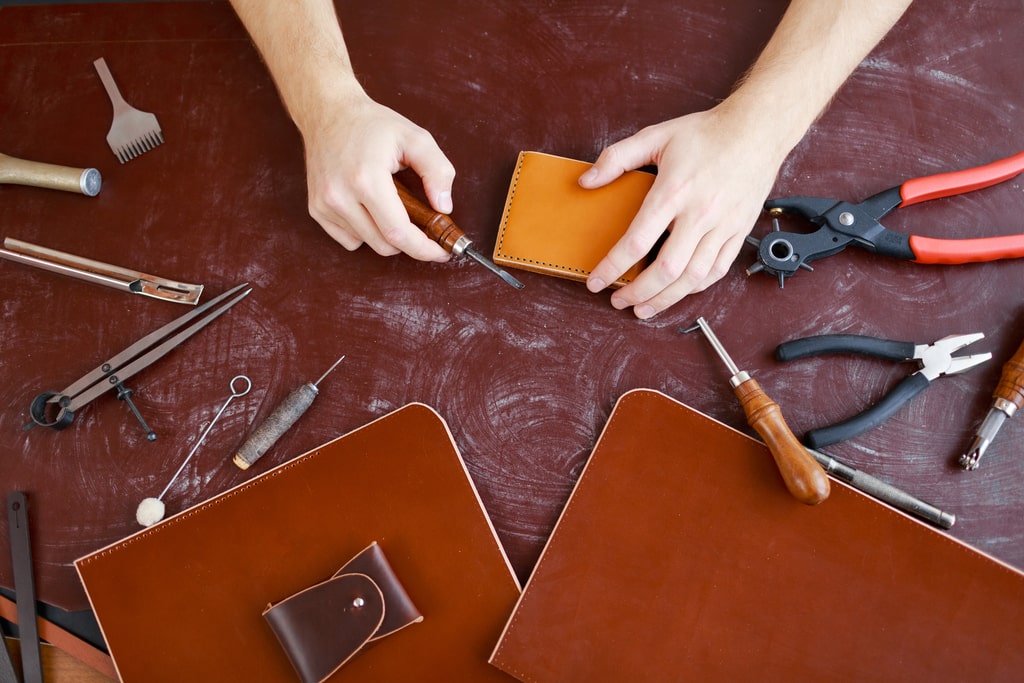
You've probably seen an old leather wallet or belt that looks better with age. That worn look is called patina. It's what happens when good leather ages well, picking up colour, shine, and a smooth texture over time. That's why some leather items look better and feel more special the more you use them.
However, not all leather ages in this manner. Some kinds crack, fade, or peel instead of getting that rich, lived-in look. That's why it's essential to choose the right type of leather if you want it to develop patina. Shop smarter and save more take advantage of Torro USA Coupon Codes to enjoy special discounts on durable, handcrafted leather wallets.
If you've been wondering how to choose leather for patina accessories, this guide is for you. We'll walk you through what patina is, which leather types are most likely to age well, what to avoid, and how to take care of your leather so it ages beautifully.
No, there's nothing tricky, just simple and helpful advice to get the most out of your leather items. So, let's get started!
What Is Leather Patina and Why Does It Matter
Patina is what happens when real leather ages naturally. As you use it, the leather changes—sunlight, your skin's oils, and everyday wear make it darker, shinier, and softer. Every leather item ages differently, which makes it feel more personal and unique.
It's similar to how jeans fade or wood darkens over time - patina tells a story.
Why patina is important:
-
It adds character to your leather items.
-
It shows your item has been used and loved.
-
It makes your wallet, bag, or belt truly yours.
So, if you see a worn-looking leather wallet, don't see it as old. Consider it something that gets better with age, just like fine wine.
How Does Patina Form? The Science Behind It
You might wonder why some leathers develop a rich patina, while others don't. It depends on how the leather is made and treated.
Leather starts as animal skin, and the tanning process turns it into what we use for bags, belts, and wallets. The way tanning is done influences whether the leather is "alive" enough to change over time.
Leather has tiny pores that absorb oils from your hands and the environment. These oils soften the leather and naturally darken its colour. But if the leather has a thick finish or coating, those oils can't get in, and the leather won't age well.
Sunlight, moisture, and even friction also play roles in changing the leather's surface. Some tanning methods allow leather to breathe and react to these factors, while others seal it off.
That's why understanding which leather develops patina best helps you make smarter choices. You want leather that can interact with your daily life instead of staying "frozen" in time.
Different Leather Types and How They Age
Not every type of leather develops a rich patina. Some ages like cheese left out in the sun. Others age like a vintage wine bottle left in a cool cellar.
Here's a quick look at how different leather types behave over time:
1. Full-Grain Leather
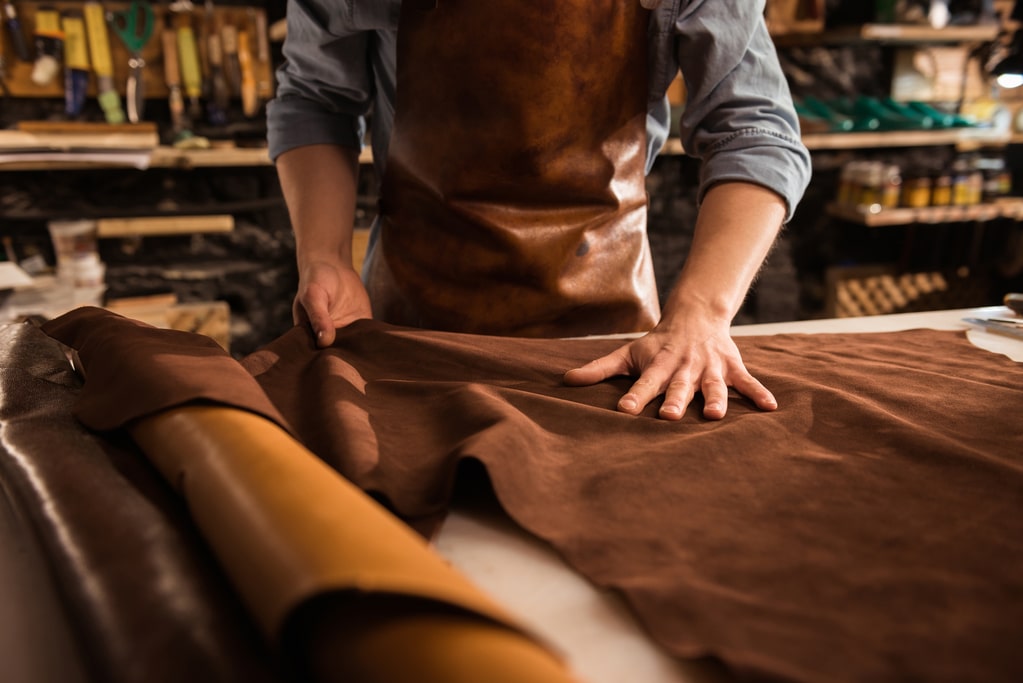
Full-grain leather is one of the finest choices for anyone who values durability and natural beauty. At Happy Patina, many accessories are crafted from this premium leather because it develops a rich, deep patina over time, making each piece more unique with use. Upgrade your collection of timeless patina leather bags, wallets, and accessories today apply Happy Patina Coupon Codes at checkout and unlock exclusive discounts on every order.
Why Choose Full-Grain Leather?
-
Retains natural texture and character
-
Ages beautifully with a strong patina
-
Highly durable and long-lasting
-
Perfect for timeless accessories
2. Top-Grain Leather
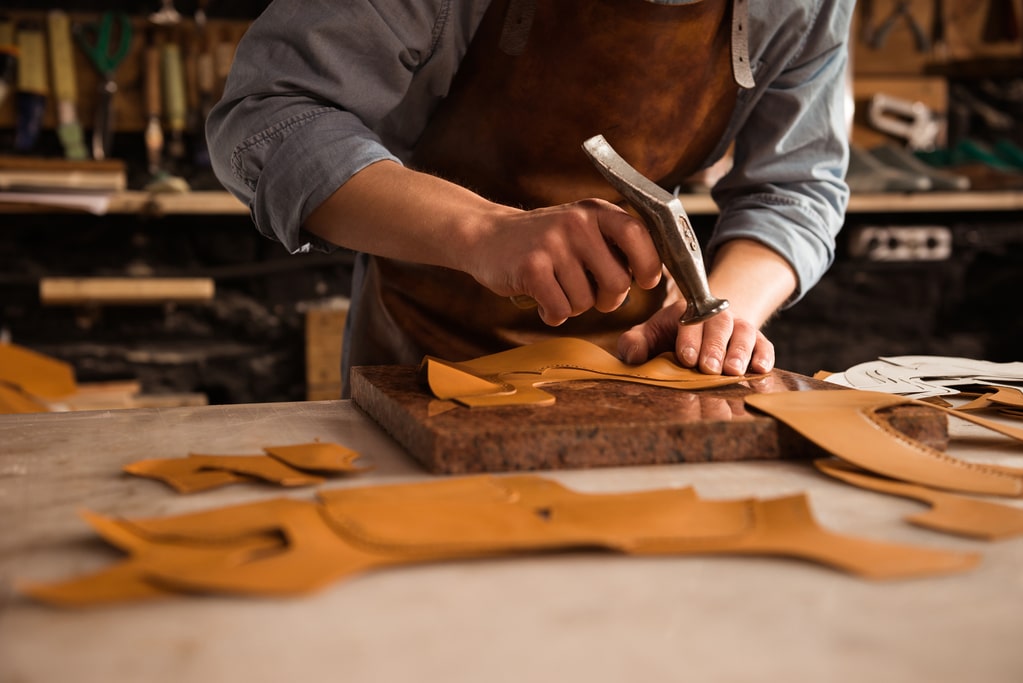
This is full-grain leather that's been sanded to remove surface imperfections. It looks cleaner, feels smoother, and resists stains slightly better, but it also develops less character over time.
It may form some patina, but it won't match the depth or richness of full-grain or vegetable-tanned leather.
3. Genuine Leather
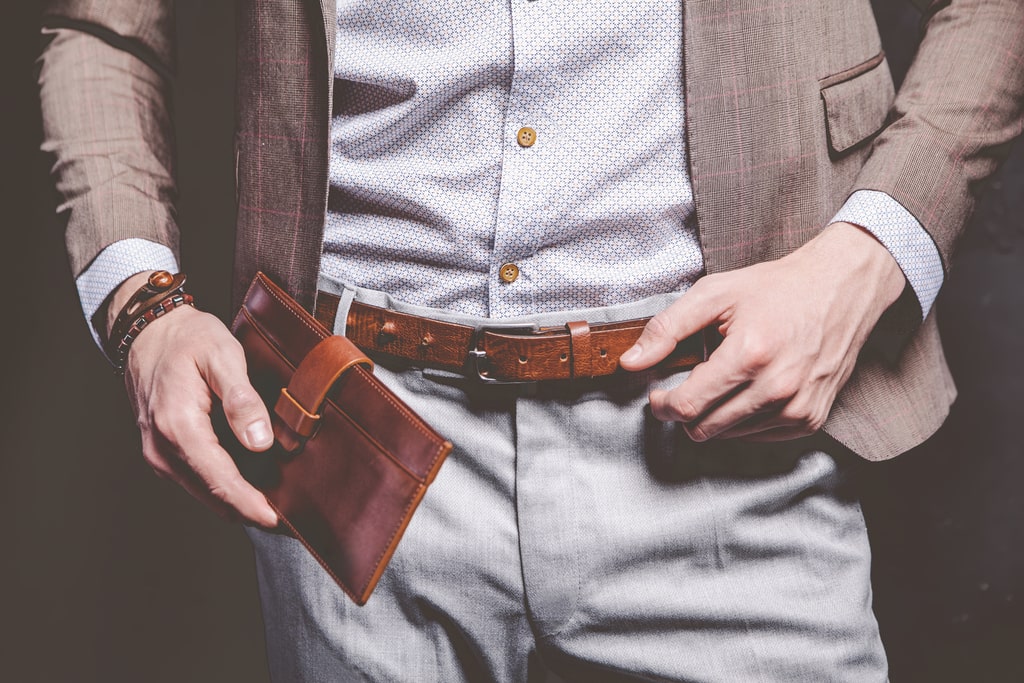
This label is misleading. It sounds like quality, but it's often a mix of lower-grade layers or leftover scraps. It may feel okay at first, but over time, it tends to peel or wear unevenly, without developing meaningful patina.
If you're doing a leather types comparison for patina-rich products, genuine leather shouldn't make the shortlist.
4. Bonded and Faux Leather
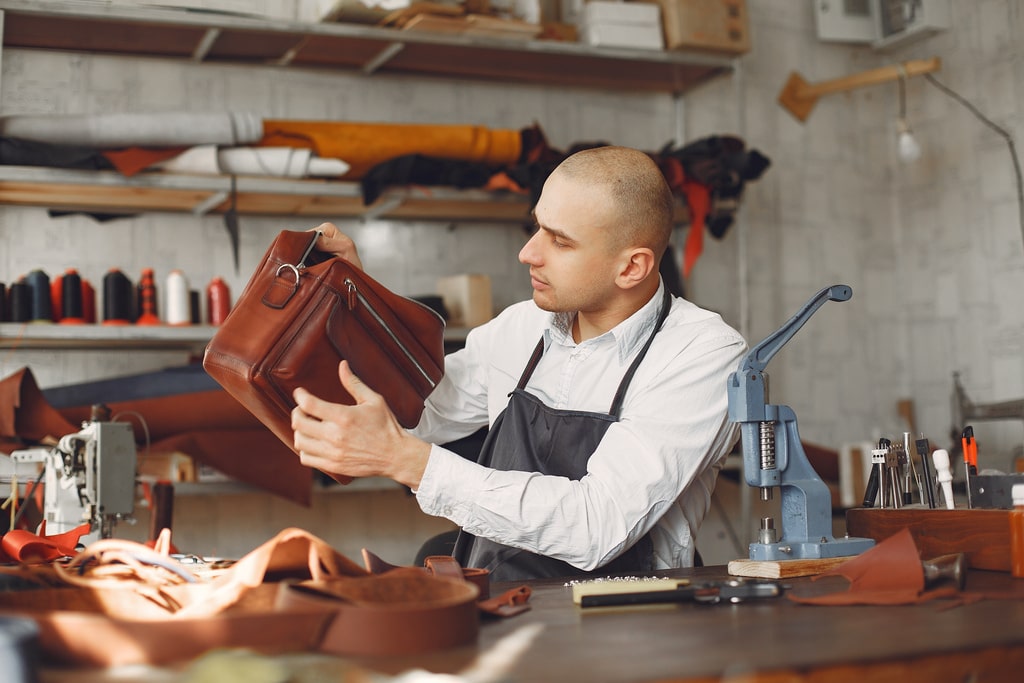
These are the lowest-quality options. Bonded leather is made by glueing leftover leather scraps together with plastic (polyurethane). Faux leather is synthetic - plastic, basically. Neither of them will develop patina. Instead, they'll crack, peel, or break down over time. Upgrade your everyday carry with a premium leather wallet today and unlock instant savings when you apply Rogue Industries Coupon Codes at checkout.
5. Vegetable-Tanned Leather
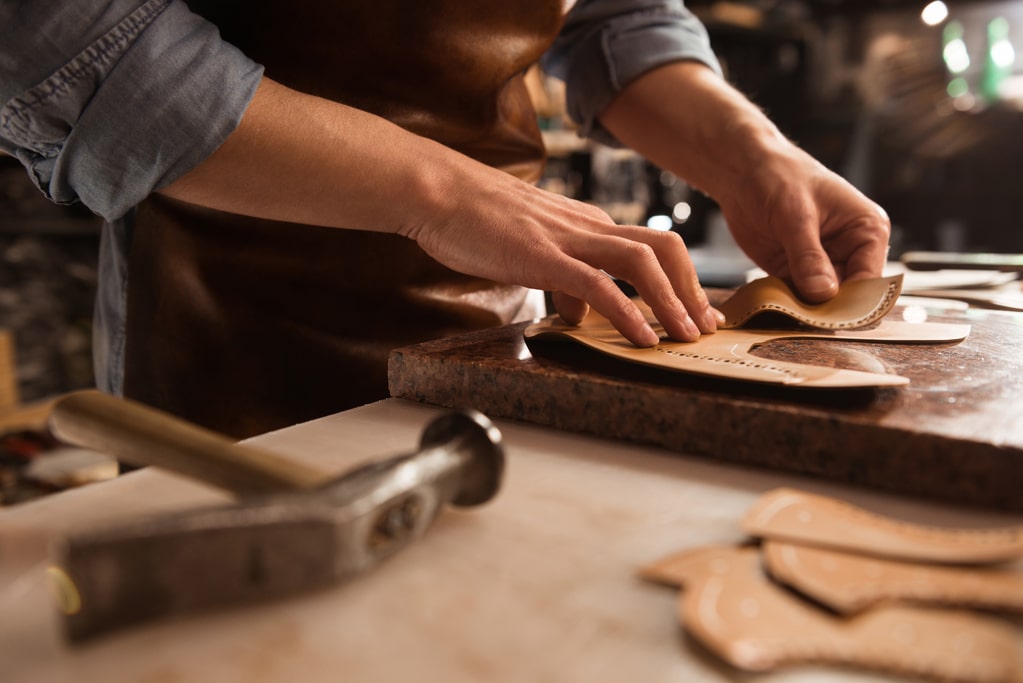
If you're after leather that looks better with age, vegetable-tanned leather is a top contender.
Tanned with natural plant-based tannins (not harsh chemicals), this leather is light tan or beige to start. Over time, it absorbs sunlight and oils and turns into deep caramel, chestnut or even reddish brown.
That change? That's patina magic.
Why it's a favourite:
· Absorbs wear beautifully
· Stays structured while softening
· Reacts dramatically to sunlight and handling
Many handmade belts, wallets, and notebook covers use vegetable-tanned leather for patina accessories because the transformation is so striking.
Top Leather Picks for Patina-Rich Accessories in 2025
Wondering what leathers are the best picks right now? In 2025, a few favourites stand out for those wanting great patina.
-
Horween Chromexcel is a popular choice. It's vegetable tanned but then finished with oils and waxes. This combo lets it develop a rich, shiny patina that you can actually see and feel.
-
Shell Cordovan is another special leather. It's rare, smooth, and ages with a glossy, deep shine. It's pricier but well worth it if you want something unique.
-
Italian vegetable-tanned leather also gets a lot of love. It's known for its fine quality and beautiful colour changes.
If you're shopping, ask the seller what tanning method and finish the leather has. This helps you guess how well it will age. To find quality products, check out GetMeCodes.com for amazing discounts and deals on leather accessories.
How to Help Your Leather Develop a Great Patina
Good leather doesn't need a lot of care, but a few simple steps can help it age better:
· Use it often: Patina forms through touch and daily use.
· Keep it dry: Water can leave marks on natural leather.
· Don't clean too much: Too much soap or scrubbing can remove natural oils.
· Condition gently: A small amount of leather balm is enough, every few months.
· Store it right: Avoid plastic or damp places. Use a cloth bag or an open shelf.
Let your leather breathe and live. Let it get scuffed a little. That's how character forms.
What Leather to Avoid If You Love Patina
If you're serious about getting that aged-leather look, avoid these:
· Faux Leather (PU): Synthetic, doesn't age, often peels.
· Bonded Leather: Made from scraps, cracks and flakes over time.
· Generic "Genuine" Leather: Often over-processed and low quality.
Quick tip:
Trust your senses! Real leather has a natural smell and feel. If you want rich patina, skip the shortcuts and go for quality.
Picking the Right Leather for Your Needs
Not all leather is the same, and what you choose should depend on how you plan to use it. Here's an easy guide to help you choose:
What's it for?
Are you getting a wallet, belt, bag, or watch strap? Some types of leather work better for certain things.
How often will you use it?
If you use it every day, it will develop patina (that aged look) faster. If you only use it once in a while, it will change more slowly.
How fast do you want it to age?
Vegetable-tanned leather changes quickly and shows more character. Top-grain leather changes more slowly and looks more polished.
What's your budget?
Higher-quality leather, like full-grain and vegetable-tanned, costs more, but it lasts for many years, sometimes even a lifetime.
Do you want to take care of it?
Some leather needs a little care now and then, like adding leather balm. If you don't want to do that, choose a type that's easier to maintain.
For Example:
If you want a wallet to use every day, vegetable-tanned leather is a good pick; it changes nicely over time. But if you're getting a special bag you won't use much, top-grain leather is better because it needs less care and still looks good.
Wrapping it Up
Choosing the right leather means thinking about more than just looks today. You want something that grows with you, showing your story through every scratch, bend, and stain. Full-grain and vegetable-tanned leathers are your best bets if you want that classic patina that only real leather can offer.
Keep in mind that patina takes time. So be patient, and use your accessories daily. The more you handle them, the better they look. Also, learn basic care like cleaning and conditioning will keep your leather healthy and let it develop its unique charm.
Now that you know what to look for, your next leather purchase can be more than just a new accessory. It can be a piece that ages gracefully and feels personal.
FAQs
1. How can I tell if leather will develop patina?
Choose leather that feels natural, not shiny or plastic-like. If it has minor marks, a warm scent, and feels slightly firm, it will likely age well.
2. Does waterproofing stop patina?
Slightly. Light conditioning is fine, but strong waterproof sprays can block the ageing process. Use them carefully.
3. My new wallet feels stiff, will it soften?
Yes! Good leather softens with use. Daily handling and body heat help it break in.
4. Can I speed up patina?
A little. Using it often and some sunlight helps. But avoid tricks like adding oils or dyes, they can damage the leather.
5. What's the best leather for bags that age well?
Vegetable-tanned leather is a great pick. It ages beautifully and keeps its shape.

Khadija Hanif (LinkedIn)
I am a creative content writer with three years of experience, covering a wide range of topics from fashion to the latest trends in the tech and entertainment industries. I supports mental health initiatives. My aim is to provide clear, insightful information on latest trends, fashion, health & wellbeing .
Fashion Accoutrements Discount Stores























 Sign Up & Get $5 Instantly!